It is a liver infection which is caused by the Hepatitis C Virus (HCV), a blood-borne virus. HCV can cause both acute and chronic hepatitis. 1
There are 6 genotypes of hepatitis C and they respond differently to treatment. 1
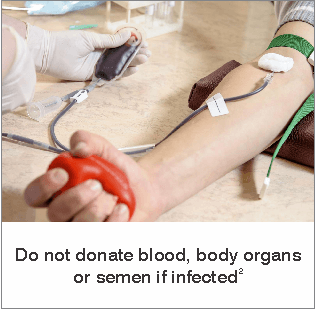
References: 1. Hepatitis C. Available from: http://www.who.int/mediacentre/factsheets/fs164/en/. Accessed on May 15, 2017. | 2. Hepatitis C FAQs for the Public. Available from: https://www.cdc.gov/hepatitis/hcv/cfaq.htm#overview. Accessed on May 23, 2017.

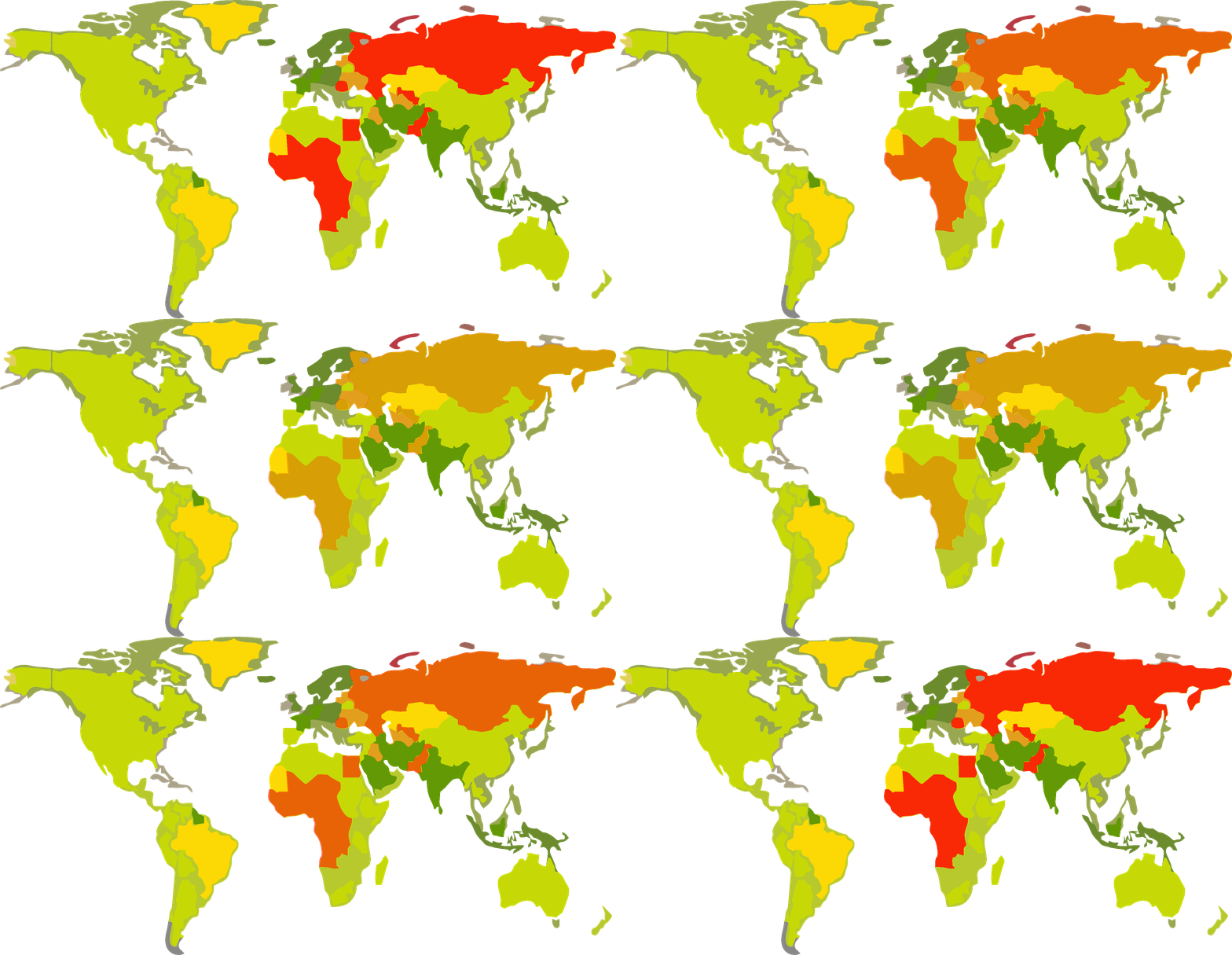

References: 1. Hepatitis C. Available from: http://www.who.int/mediacentre/factsheets/fs164/en/. Accessed on May 15, 2017. | 2. Hézode C. Pan-genotypic Treatment Regimens for Hepatitis C Virus: Advantages and disadvantages in high- and low-income regions. J Viral Hepat. 2017;24(2):92–101. | 3. Bhattacharya PK and Roy A. Management of Hepatitis C in the Indian Context: An update. J Liver. 2015;4(4): 1–5. | 4. Rawat V, Bhatt U, Singhai M, et al. Prevalence of hepatitis C virus infection among blood donors of Kumaon region of Uttarakhand. Indian J Med Mic. 2013; 31(3): 313–314. | 5. Mehta SH, Vogt SL, Srikrishnan YK, et al. Epidemiology of hepatitis C virus infection & liver disease among injection drug users (IDUs) in Chennai, India. Indian J Med Res. 2010;132(6):706–714. | 6. Kermode M, Nuken A, Medhi GK, et al. High burden of hepatitis C & HIV co-infection among people who inject drugs in Manipur, Northeast India. Indian J Med Res. 2016;143(3):348–356. | 7. Managing tuberculosis in people who use and inject illicit drugs. Available from: http://www.who.int/bulletin/volumes/91/2/13-117267/en/. Accessed on May 23, 2017. | 8. Abraham P. Treatment for Hepatitis C Virus infection in India: Promising times. Indian J Med Microbiol. 2016;34(3):273–274.
HCV RNA: Hepatitis C virus ribonucleic acid or genetic material
References: 1. Hepatitis C. Available from: http://www.who.int/mediacentre/factsheets/fs164/en/. Accessed on May 11, 2017. | 2. Hepatitis C Essential information for professionals and guidance on testing. Available from: http://www.nhs.uk/hepatitisc/SiteCollectionDocuments/pdf/essential-information-for-professionals-and-guidance-on-testing.pdf. Accessed on May 11, 2017. | 3. Hepatitis C. Available from http://www.mayoclinic.org/diseases-conditions/hepatitis-c/diagnosis-treatment/diagnosis/dxc-20207405. Accessed on May 11, 2017. | 4. Information for healthcare personnel potentially exposed to Hepatitis C Virus (HCV). Available from: https://www.cdc.gov/hepatitis/pdfs/testing-followup-exposed-hc-personnel.pdf. Accessed on May 11, 2017. | 5. Liver function tests or liver enzymes. Available from: http://hepc.liverfoundation.org/diagnosis/who-should-get-tested/more-tests-you-might-need/. Accessed on May 11, 2017.
In acute disease condition,
If the disease is in chronic stage, the doctor will prescribe antiviral medication,
To achieve good cure rates in chronic diseases condition,
References: 1. Hepatitis C. Available from: http://www.who.int/mediacentre/factsheets/fs164/en/. Accessed on May 15, 2017. | 2. Management of acute HCV infection. Available from: http://www.hcvguidelines.org/full-report/management-acute-hcv-infection. Accessed on May 15, 2017. | 3. Hepatitis C treatment & management. Available from: http://emedicine.medscape.com/article/177792-treatment. Accessed on May 15, 2017. | 4. Addressing viral hepatitis in people with substance use disorders. Available from: https://www.ncbi.nlm.nih.gov/books/NBK92025/. Accessed on May 23, 2017.
References: 1. Hepatitis C-Lifestyle FAQs. Available from: http://www.nhs.uk/Conditions/Hepatitis-C/Pages/Livingwith.aspx. Accessed on May 15, 2017. | 2. Mayo Clinic. Available from: http://www.mayoclinic.org/diseases-conditions/hepatitis-c/manage/ptc-20207434. Accessed on May 15, 2017. | 3. Pergam SA, Wang CC, Gardella CM, et al. Pregnancy Complications Associated with Hepatitis C: Data from a 2003–2005 Washington State Birth Cohort. Am J Obstet Gynecol. 2008;199(1):38.e1–38.e9. | 4. Body Fluid Exposures. Available from: http://emedicine.medscape.com/article/782611-overview. Accessed on May 23, 2017. | 5. General Information. Available from: https://www.cdc.gov/hepatitis/HCV/PDFs/HepCGeneralFactSheet.pdf. Accessed on May 24, 2017. | 6. Drugs and Liver Disease. Available from: http://drugabuse.com/library/drugs-liver-disease/. Accessed on May 15, 2017.